Info
Local AI is a hardware problem before it is a software problem. Large open-weight models need enough fast memory, enough memory bandwidth, and an interconnect that does not collapse when the workload crosses device boundaries. LLMRACK builds systems around those constraints.
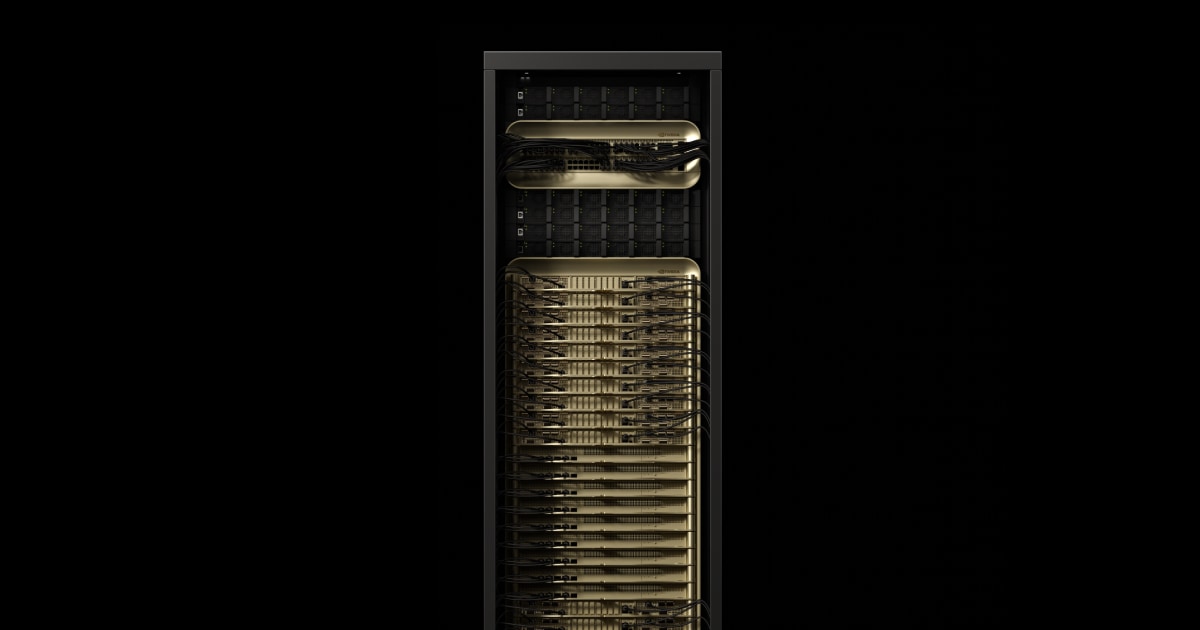
Fit the model into accelerator-attached memory first. Then size KV cache, context, concurrency, and host-memory headroom. Large memory pools reduce expensive host/device movement and make higher-throughput serving practical.
QLoRA, FSDP, tensor/sequence parallelism, optimizer state, checkpoint traffic and dataset staging all change the right system architecture. A server that can load a model is not automatically a server that can fine-tune it efficiently.
Diffusion and video models stress VRAM capacity, memory bandwidth, storage and host-to-device transfer differently than text inference. Dense multi-GPU systems are available for these workloads.
Why own the hardware?
- Keep data and compute on infrastructure you control.
- Remove per-token and per-hour rental economics from sustained workloads.
- Run offline and private when required.
- Control drivers, kernels, serving stack, quantization, and scheduler policy.
- Retain the hardware as an asset.